
When Should Citizens Help Police with Arrests?
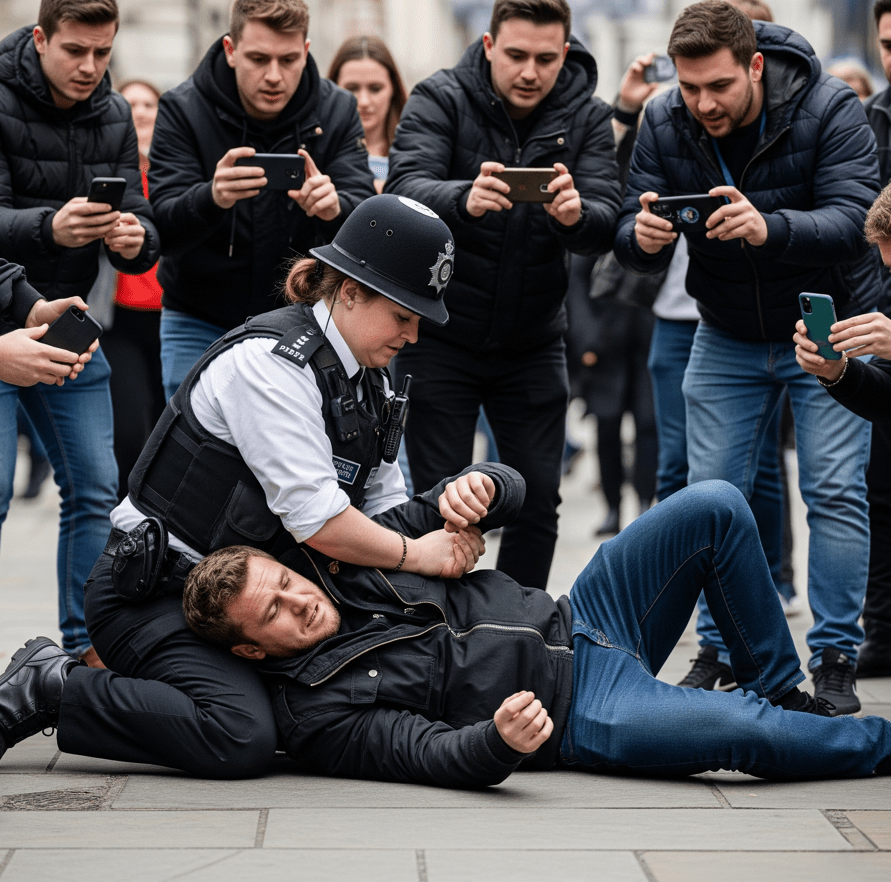
The other day, I came across a video online showing a police officer attempting to arrest an individual. The individual resisted, and both ended up on the floor, with the offender in a headlock, trying to break free. While the video was from an incident in the United Kingdom, it was the accompanying comments that caught my attention.
The original poster lamented how, in the past, his generation would have instinctively assisted the officer, whereas today’s generation seems more inclined to reach for their phones to record the incident and create content. Many comments agreed, but some questioned whether assisting the officer would be wise, citing concerns such as the risk of being assaulted by the perpetrators or even getting arrested for interfering with police duties. One commenter posed the question: “What if the police instruct members of the public to assist? What then?” Indeed, what then?
Well, in South Africa, the police can request public assistance with making an arrest. Section 47(1) of the Criminal Procedure Act1 mandates that every male inhabitant between the ages of 16 and 60 is required to assist a police official in arresting and detaining a person when called upon to do so. Failing to provide this assistance constitutes an offence punishable by a fine or imprisonment for up to three months. That’s right fella; if an officer calls on you to help and you refuse, you could end up in prison.
To secure a conviction under section 47, the State must prove that the police officer had the authority to effect the arrest. Criminal intent, or mens rea, is considered an element of the crime of contravening this section. For example, in Lakier,2 an individual initially refused to assist a plainclothes detective, believing he was being bluffed. The court ruled that his subsequent assistance, after realising his mistake, negated the presumption of criminal intent, which then led to his acquittal. Additionally, physical impairments (such as lameness) have been considered valid exemptions from criminal liability in such cases.
When all’s said and done, it shouldn’t require an instruction from an officer to assist. After all, the police are there to serve and protect. So, if they need help doing so and it’s safe to assist, we should be more than happy to lend a hand.
Written by Theo Tembo
Read more from The Legal Desk:






 The Legal Desk
Leave a comment